
Morganite — Gemstone Properties
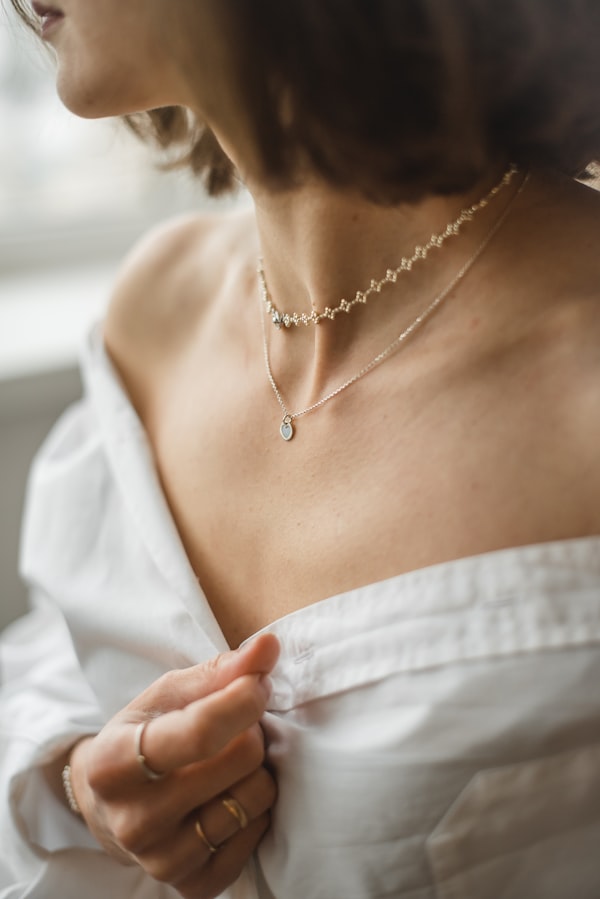
Morganite is a peachy-pink variety of beryl — the same mineral family as emerald and aquamarine — whose warm blush tones range from pale salmon to vivid rose-peach. Named after financier J.P. Morgan in 1910, it has surged in popularity as a romantic alternative to diamond in engagement rings. Morganite symbolises divine love, compassion, and emotional healing. Its colour is caused by trace amounts of manganese within the beryl crystal.
Is Morganite suitable for an engagement ring?
Absolutely — morganite (Mohs 7.5–8) is one of the most popular diamond alternatives for engagement rings. Its durability is excellent for daily wear in a protective setting, and its warm pink tones are universally flattering. Pair with rose gold for a particularly harmonious look.
Does Morganite fade over time?
Natural morganite colour is stable and does not fade with normal wear. Most morganite on the market is irradiated to enhance its pink tone — this treatment is permanent. Avoid prolonged exposure to intense heat (e.g. jeweller's torch) which can affect colour.
How does Morganite compare to Pink Sapphire?
Pink sapphire (Mohs 9) is significantly harder and more durable than morganite (Mohs 7.5–8), and typically more expensive. Sapphire has a more vivid, saturated pink; morganite has a softer, peachy hue. Both are beautiful — the choice depends on budget and preferred aesthetic.
How do I clean Morganite?
Warm soapy water with a soft brush works well. Rinse thoroughly. Ultrasonic cleaning is generally safe for morganite without fractures. Avoid steam cleaners and harsh chemicals. Remove jewellery before swimming, applying products, or doing manual work.