
Pearl — Gemstone Properties
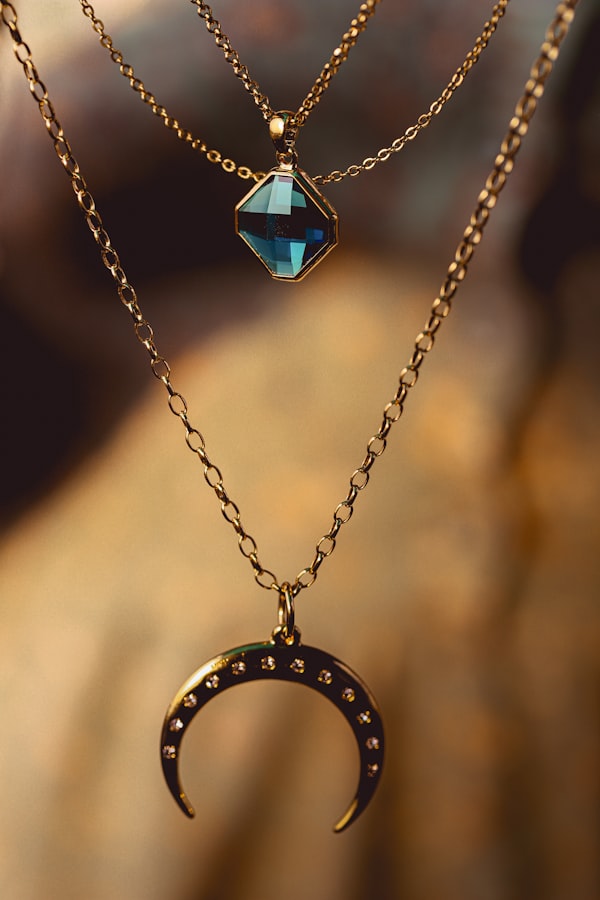
Pearls are the only gemstones created by living creatures — formed when a mollusc deposits layers of nacre around an irritant over months or years. Their luminous lustre, known as "orient," has captivated jewellery lovers for thousands of years. Pearls symbolise purity, elegance, and wisdom gained through experience. Modern pearls are predominantly cultured, meaning the process is initiated by humans while nature does the rest.
What is the difference between natural and cultured pearls?
Natural pearls form entirely by chance when an irritant enters a mollusc without human help — they are extremely rare. Cultured pearls are initiated by pearl farmers who insert a nucleus or graft tissue into the mollusc; nature then forms the nacre layers. Both are genuine pearls.
How do I care for Pearl jewellery?
Pearls are organic and delicate (Mohs 2.5–4.5). Always put pearls on last — after perfume, hairspray, and cosmetics. Wipe with a soft damp cloth after wearing. Store flat, not hanging, in a soft pouch. Never clean with ultrasonic cleaners or chemical solutions.
Why is pearl lustre so important?
Lustre is the primary quality indicator for pearls — it is the depth and brilliance of light reflected from within the nacre layers. High-lustre pearls appear almost lit from inside. Thin nacre results in dull, chalky lustre. Divine Quartz selects only high-lustre, thick-nacre pearls.
Are freshwater pearls as good as Akoya or South Sea pearls?
Freshwater pearls grown in China and Japan offer excellent value and a wide range of shapes and sizes. Akoya pearls (Japan/China) are prized for perfectly round shape and high lustre. South Sea and Tahitian pearls are larger and rarer. Each variety has its own beauty and price point.